
January is Cervical Health Awareness Month — Why Screening and HPV Vaccination Can Save 3,000 Kenyan Women Every Year
January is Cervical Health Awareness Month. The hashtags trend. Social media posts remind women to go for screening. Awareness messages circulate everywhere. Yet behind all the posts and campaigns, the reality remains heavy — cervical cancer is still taking thousands of Kenyan women every year.
Kenya has approximately 16.8 million women aged 15 and above, and all of them are at risk of developing cervical cancer. According to GLOBOCAN 2020 data, 5,236 Kenyan women are diagnosed every year, and 3,211 die annually. Cervical cancer is the second most common cancer among women in Kenya, and about 9.1% of Kenyan women carry cervical HPV infection.
Pause for a moment. Over 3,000 deaths per year. Multiply that by five years since the pandemic — that is more than 15,000 women lost. Mothers. Sisters. Daughters. Wives. Aunties. Every year. The question is — are we going to keep repeating this cycle?
What Is At the Core of Cervical Cancer?
The main cause of cervical cancer is the Human Papilloma Virus (HPV). HPV infection is responsible for 99% of cervical cancer cases. The powerful truth is this: cervical cancer is preventable. With HPV vaccination and regular screening, cervical cancer can be stopped before it becomes deadly. When detected early, it is highly treatable and often curable.
Are We Talking Enough?
Why is it easier to contribute money for treatment and funerals than for prevention? Why do we whisper when someone dies of cervical cancer instead of getting angry that it could have been prevented? Why are women not screening regularly, and why are some still afraid of HPV vaccination?
The Ministry of Health launched a national plan in November 2020 aimed at eliminating cervical cancer as a public health problem. The strategy follows the global 90-70-90 targets by 2030:
- 90% of girls fully vaccinated against HPV by age 15
- 70% of women screened using high-precision tests
- 90% of diagnosed women receiving proper treatment and care
But can the Ministry of Health carry this burden alone? No. Eliminating cervical cancer requires communities, families, institutions, and health partners working together.
Why Are Women Still Hesitant?
Insights from Petals by Zuri Health show two main reasons women avoid screening and HPV vaccination:
- Lack of accurate information
- Concerns about cost
Information Vs Misconceptions
Let us address the myths directly. Misconceptions have cost lives. Some of the common false beliefs include:
- HPV vaccine causes infertility
- HPV vaccine encourages early sexual behaviour
- HPV vaccine is harmful or part of depopulation
- Cervical screening is extremely painful
- Pap smear tests are intrusive
These myths are not only false — they are dangerous. Countries like Australia are on track to eliminate cervical cancer by 2035 because of widespread vaccination, screening, and accurate information. Prevention works when people trust the science.
But What About the Cost?
Cervical cancer screening (Pap smear) at Zuri Health costs approximately KSh 2,100. HPV vaccination is free, with a service fee of KSh 500.
Compare that to everyday spending:
- Handbag — KSh 500 to 1,500
- Salon — KSh 500 to 2,000
- Heels — KSh 500 to 2,000
- Dress — KSh 500 to 1,500
- WiFi — KSh 2,500 per month
One screening per year is not an economic burden — but skipping screening can cost a life.
Changing the Narrative
This year, the story can change. Communities, families, and organisations can step forward. Chamas can sponsor screening. Employers can support female staff. Men can encourage and support the women in their lives. Parents can vaccinate daughters aged 10–14 against HPV.
Religious institutions and community leaders can invite health experts to educate and break myths. Awareness alone is not enough — action saves lives.
This Year, We Must Screen
Remind every woman you know: screening is prevention, not fear. HPV vaccination is protection, not risk. We do not have to lose another 3,000 women this year.
Talk about it. Educate. Sponsor. Encourage. Act. Because cervical cancer is preventable — and prevention starts with one decision.
Take Action Today
Chat with Zuri Health to learn more about cervical screening and HPV vaccination.
WhatsApp: +254 756 551551
Sources
https://www.health.go.ke/kenya-intensifies-efforts-combat-cervical-cancer-amid-rising-burden
https://hpvcentre.net/statistics/reports/KEN_FS.pdf
https://ecommons.aku.edu/theses_dissertations/2034/
http://guidelines.health.go.ke:8000/media/Cervical-Cancer-Prevention-Screening-Early-detection-Participant_ManualPg_1-21_September_2021.pdf
https://www.sollaykenyanfoundation.org/vaccination-misinformation-combating-myths-in-kenya/
About the Authors
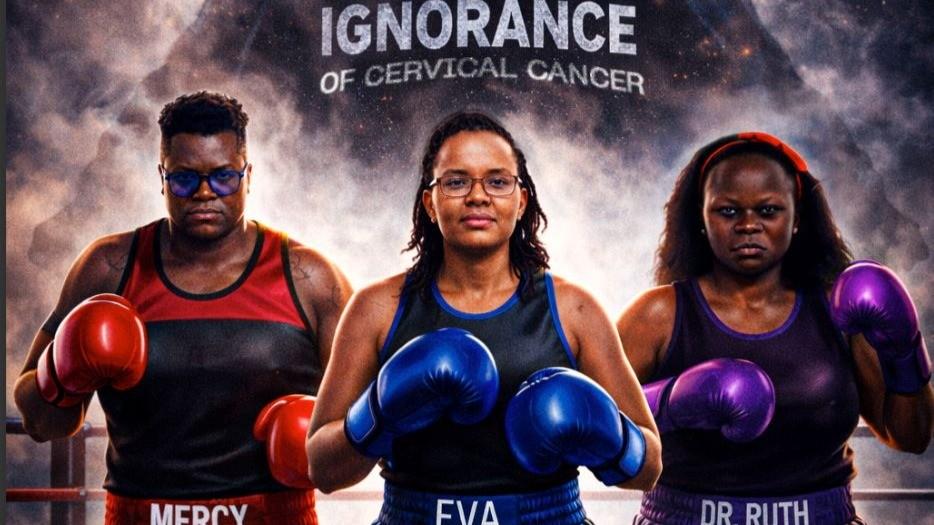
Mercy Opande is a copywriter with over 10 years of experience and works with Zuri Health as Social Media Manager. Eva Muchai is VP Women’s Health at Zuri Health. Dr. Ruth Esther Atim is a medical doctor delivering care with dedication and compassion.
About Zuri Health
Zuri Health is a digital health platform focused on making quality, affordable healthcare accessible across Africa. By combining medicine and technology, Zuri Health helps people connect with healthcare professionals quickly and conveniently via WhatsApp or phone.
To learn more, visit zuri.health