
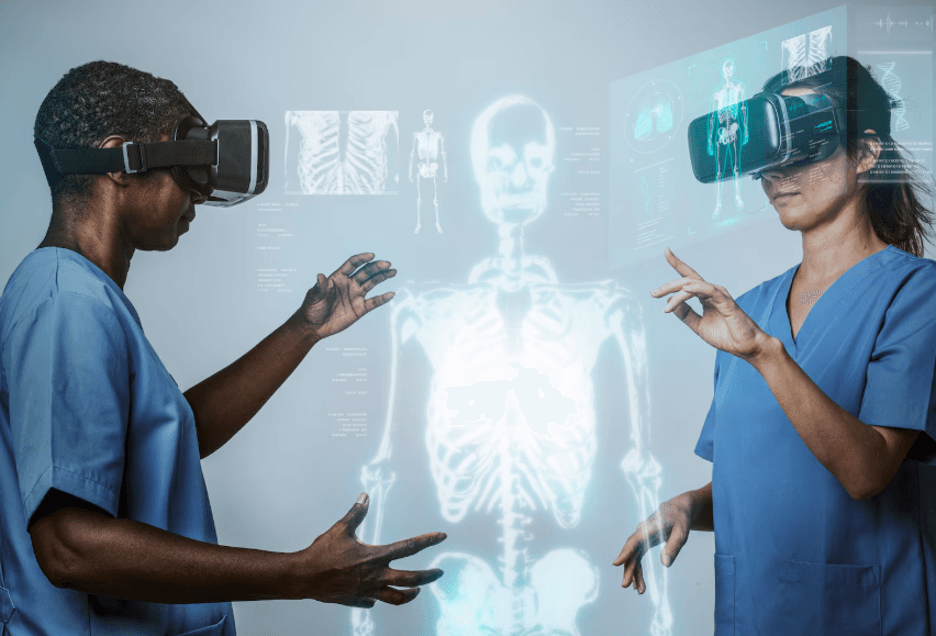
AI Health Screening Is Now in Kenya – But Is It Accurate?
Introduction
Artificial Intelligence (AI) is reshaping healthcare in Kenya. From virtual consultations to diagnostic tools, AI is helping doctors work faster and smarter. But one question remains, how accurate is AI health screening? Can it detect medical conditions as well as a human doctor?
This article explores the technology behind AI health screening, its accuracy rates, potential risks, and what Kenyan patients should know before trusting AI with their health.
What Is AI Health Screening?
AI health screening uses machine learning algorithms to analyze patient data, symptoms, medical history, lab results, and generate possible diagnoses.
How It Works
- Symptom Analysis: AI tools review patient inputs and cross-check against medical databases.
- Risk Prediction: Machine learning models estimate the probability of certain conditions.
- Recommendations: The system may suggest further tests or referral to a licensed physician.
Accuracy of AI Health Screening
AI health screening accuracy depends on several factors, including data quality, algorithm design, and human oversight.
Key Factors Influencing Accuracy
- Data Source: AI systems need diverse, high-quality medical data to minimize diagnostic errors.
- Algorithm Training: The more cases the AI reviews, the more accurate its predictions.
- Human Verification: AI results should be reviewed by licensed doctors for confirmation.
According to studies, AI diagnostic tools can reach accuracy rates of 85%–95%, but they should complement, not replace human expertise.
Benefits of AI Health Screening in Kenya
Why Patients Are Excited
- Faster Diagnosis: AI can analyze symptoms in seconds.
- Accessibility: Remote areas now have access to digital pre-screening tools.
- Cost-Effectiveness: Early detection can reduce expensive treatments.
- 24/7 Availability: Unlike clinics, AI tools are always accessible.
Risks and Limitations
Despite its benefits, AI health screening has potential risks:
- False Positives or Negatives: Misdiagnosis can lead to unnecessary stress or missed conditions.
- Data Privacy Concerns: Sensitive health data must be securely stored and encrypted.
- Lack of Personalization: AI may miss unique patient nuances only a human doctor can identify.
Zuri Health's Approach to AI Accuracy
At Zuri Health, AI screening is doctor-supervised, ensuring accuracy and safety. Every AI result is reviewed by a licensed medical professional before recommendations are made.
Practical Tips for Using AI Health Screening
- Use Verified Platforms: Ensure the AI tool is backed by a licensed healthcare provider.
- Always Confirm Results: Follow up with a doctor to validate AI findings.
- Monitor Updates: Choose platforms that update their databases regularly for improved accuracy.
FAQs
1. Is AI health screening 100% reliable?
No. It's highly accurate but should be used with human medical consultation.
2. Can AI detect chronic illnesses?
Yes, but confirmation tests and professional diagnosis are required.
3. Is my data safe with AI health platforms?
Choose platforms with strict data encryption and privacy policies.
Conclusion: Should You Trust AI Health Screening?
AI health screening is a powerful tool for early detection, but it should never replace human expertise. Use it for guidance, but always confirm with a doctor.
Call to Action
Your health can't wait. Visit our website: www.zuri.health. Call us today at +254 756 551 551. Book a virtual consultation and get real answers from real doctors.