
HIV and AIDS remain important public health issues, but what HIV means today is very different from what it meant several decades ago. Human immunodeficiency virus (HIV) is a virus that attacks the body's immune system, particularly CD4 cells, which help the body fight infections and diseases. If HIV is not treated, it can progressively weaken the immune system and may eventually lead to acquired immunodeficiency syndrome (AIDS), the most advanced stage of HIV infection. However, effective HIV treatment can suppress the virus, protect the immune system and allow people living with HIV to live long and healthy lives.
HIV remains a major global health concern. According to the World Health Organization (WHO), an estimated 41.0 million people were living with HIV worldwide at the end of 2025. About 1.2 million people acquired HIV during 2025, while approximately 570,000 people died from HIV-related causes. The WHO African Region continues to carry the greatest burden, accounting for 64% of people living with HIV globally. These figures show why HIV testing, prevention, early diagnosis and access to treatment remain important.
What is HIV? HIV stands for human immunodeficiency virus. It is a virus that enters the body and attacks cells involved in the immune system. In particular, HIV targets CD4 cells and uses them to make more copies of itself. Over time, untreated HIV can reduce the body's ability to fight infections and certain cancers. A person can have HIV without looking or feeling sick, particularly during the early stages. This is one reason HIV testing is important because symptoms alone cannot tell someone whether they have HIV.
What is AIDS? AIDS stands for acquired immunodeficiency syndrome and refers to the most advanced stage of HIV infection. It is not a separate virus from HIV. Rather, AIDS can develop when HIV has severely damaged the immune system, particularly when HIV is untreated. At this stage, a person may develop certain opportunistic infections or cancers that take advantage of a weakened immune system. With early HIV diagnosis and effective antiretroviral therapy, many people living with HIV never develop AIDS.
What is the difference between HIV and AIDS? The simplest explanation is that HIV is the virus, while AIDS is the most advanced stage of the infection. Having HIV does not automatically mean that someone has AIDS. Modern HIV treatment can control the virus and greatly reduce the chance of progressing to advanced HIV disease. This is why an HIV diagnosis today does not mean that a person will inevitably develop AIDS.
How is HIV transmitted? HIV can be transmitted when certain body fluids from a person with HIV enter another person's body. These fluids include blood, semen, vaginal fluids and breast milk. HIV can also pass from a mother to her baby during pregnancy, childbirth or breastfeeding. The likelihood of transmission depends on factors including the amount of virus present and whether the person with HIV is receiving effective treatment.
HIV is not spread through ordinary everyday contact. You cannot acquire HIV simply by hugging, shaking hands, sitting next to someone, sharing food or water, or having casual social contact. HIV is also not transmitted through ordinary kissing. Understanding how HIV is and is not transmitted is important because misinformation can create unnecessary fear and contribute to stigma against people living with HIV.
What are the symptoms of HIV? HIV symptoms can vary considerably between people and depend on the stage of infection. During the first few weeks after infection, some people may experience a flu-like illness, while others may have no noticeable symptoms. Possible early symptoms include fever, headache, rash and sore throat. Because these symptoms can occur with many other illnesses, they cannot be used to diagnose HIV. Testing is the reliable way to determine HIV status.
As HIV infection progresses without treatment, the immune system can become increasingly weakened. Possible symptoms may include swollen lymph nodes, unexplained weight loss, persistent fever, diarrhoea and cough. In advanced HIV disease, a person may become vulnerable to serious infections such as tuberculosis, cryptococcal meningitis and severe bacterial infections, as well as certain cancers. Not everyone with HIV will experience these symptoms, especially when they are receiving effective treatment.
Can you have HIV without symptoms? Yes. A person can have HIV and feel completely healthy, especially during the early stages. This means that feeling well does not necessarily mean that someone is HIV-negative. HIV testing is therefore important for people who may have been exposed to HIV or who have other reasons to consider testing. WHO recommends access to HIV testing for people who may be at risk.
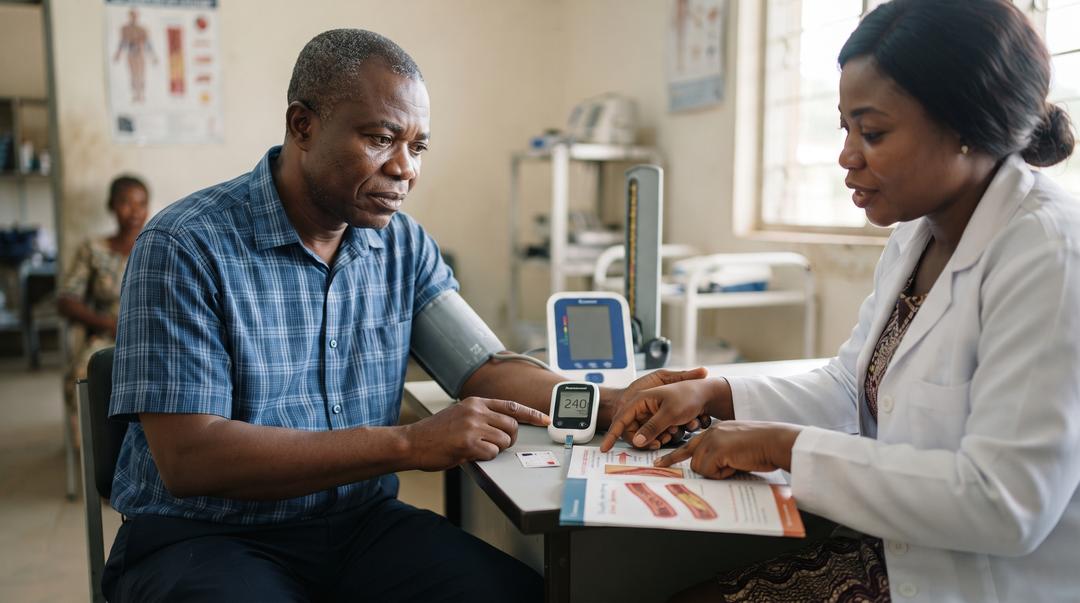
How is HIV diagnosed? HIV is diagnosed through HIV testing rather than by looking at symptoms. Modern HIV testing services can use rapid diagnostic tests and, in appropriate settings, HIV self-testing. A positive screening result requires appropriate follow-up testing according to national testing procedures to confirm the diagnosis. WHO also emphasises that HIV testing should involve consent, confidentiality, counselling, correct results and connection to appropriate treatment or prevention services.
What is the HIV window period? The window period is the time between HIV infection and the point at which a particular test can reliably detect the infection. Different HIV tests have different detection periods, so a test taken soon after a possible exposure may not detect a recent infection. Anyone concerned about a recent exposure should speak with a qualified healthcare professional about the appropriate timing and type of testing rather than relying on symptoms.
What happens after an HIV diagnosis? An HIV diagnosis should be followed by linkage to appropriate healthcare and treatment. Healthcare professionals may assess a person's overall health, perform relevant laboratory tests and monitor the amount of HIV in the blood, known as the viral load. CD4 testing may also be used as part of clinical assessment. The goal of treatment is to suppress HIV, protect the immune system and prevent HIV-related illness.
What is HIV treatment? HIV is treated with medicines called antiretroviral therapy, or ART. ART uses antiretroviral medicines to stop HIV from multiplying effectively in the body. Although ART does not currently eliminate HIV from the body, it can reduce the amount of virus in the blood to very low levels. This allows the immune system to function better and helps people living with HIV remain healthy. WHO recommends lifelong ART for people living with HIV.
Why is taking HIV treatment consistently important? HIV treatment works best when taken as prescribed by a healthcare professional. Consistent treatment helps maintain viral suppression and protects the immune system. Interrupting treatment without medical guidance can allow the amount of HIV in the body to increase and may contribute to treatment complications, including drug resistance. Anyone experiencing difficulty taking treatment should discuss the problem with their healthcare provider rather than stopping medicines independently.
What does “undetectable” mean in HIV? An undetectable viral load means that the amount of HIV in a person's blood is below the level that the laboratory test can detect. Effective ART can reduce HIV to an undetectable level. Importantly, a person with HIV who is taking ART and has an undetectable viral load does not transmit HIV to sexual partners. This principle is commonly described as “undetectable equals untransmittable”, or U=U. WHO confirms that people on effective ART with no detectable virus in the blood do not transmit HIV to their sexual partners.
Does an undetectable viral load mean HIV is cured? No. An undetectable viral load means treatment has suppressed HIV to a very low level; it does not mean the virus has been eliminated from the body. People living with HIV need to continue treatment as advised by their healthcare provider to maintain viral suppression and protect their health.
Is there a cure for HIV? At present, there is no widely available cure that eliminates HIV from the body. However, HIV is a manageable chronic health condition when people have access to effective treatment and care. Advances in HIV medicine mean that people living with HIV can live long and healthy lives. Research continues to explore new approaches to HIV prevention, treatment and, ultimately, a cure.
Can HIV be prevented? Yes. HIV prevention involves several approaches, and the most appropriate options depend on a person's circumstances. Prevention can include condoms, HIV and sexually transmitted infection testing, PrEP for people who are HIV-negative and at increased risk, and PEP after a possible exposure. Treatment of people living with HIV is also an important prevention strategy because sustained viral suppression prevents sexual transmission.
What is PrEP? PrEP means pre-exposure prophylaxis. It involves using HIV-prevention medicine before potential exposure to reduce the risk of acquiring HIV. PrEP is intended for people who do not have HIV and may have an increased risk of acquiring it. Different PrEP options are available depending on country and healthcare guidance. A healthcare professional can advise whether PrEP is appropriate and which option is suitable.
What is PEP? PEP means post-exposure prophylaxis. It refers to antiretroviral medicine taken after a possible exposure to HIV to reduce the chance of infection. Because PEP is time-sensitive, someone who believes they may have recently been exposed should seek urgent medical advice rather than waiting for symptoms. A healthcare professional can assess the situation and determine whether PEP and follow-up HIV testing are appropriate.
Can HIV pass from a mother to her baby? Yes, HIV can be transmitted from a mother to her baby during pregnancy, childbirth or breastfeeding. However, effective HIV services can substantially reduce the risk of mother-to-child transmission. Pregnant people living with HIV should receive appropriate medical care and antiretroviral treatment as early as possible. HIV testing and treatment during pregnancy are therefore important parts of protecting both the mother's health and the baby's health.
Can people living with HIV have children? Yes. With appropriate medical care, people living with HIV can have children while taking steps to reduce the risk of HIV transmission. Pregnancy planning should involve qualified healthcare professionals who can provide personalised advice about HIV treatment, viral suppression, pregnancy and infant feeding. HIV care during pregnancy has made it possible to significantly reduce mother-to-child transmission.
Can HIV be transmitted through breastfeeding? HIV can be transmitted through breast milk. For this reason, infant-feeding decisions for people living with HIV should follow the guidance of qualified healthcare professionals and the recommendations applicable in their country. Antiretroviral treatment substantially changes the risk of transmission, but the safest feeding approach can depend on individual circumstances and national guidelines.
What increases the risk of HIV infection? Factors associated with increased HIV risk include condomless vaginal or anal sex, having certain sexually transmitted infections, sharing contaminated injecting equipment, receiving unsafe injections or blood products, and procedures involving unsterile cutting or piercing. The risk is also affected by whether a person with HIV is receiving effective treatment and has a suppressed viral load.
HIV and sexually transmitted infections are closely connected. Having certain STIs can increase the risk of acquiring HIV, which makes comprehensive sexual health care important. HIV testing may be offered alongside testing for other STIs. Anyone concerned about their sexual health should seek confidential advice from a qualified healthcare professional rather than trying to diagnose an infection based on symptoms alone.
HIV and AIDS are also closely linked with tuberculosis, particularly in regions where both conditions are common. A weakened immune system can make it harder for the body to fight TB and other infections. WHO identifies HIV as an important risk factor for developing active TB. This is one reason comprehensive HIV care includes attention to other infections and illnesses.
Can HIV be prevented by knowing your partner's status? Knowing the HIV status of sexual partners can be an important part of informed health decisions, but HIV prevention involves more than simply knowing someone's status. Testing, appropriate prevention methods and effective HIV treatment all play important roles. A person living with HIV who maintains an undetectable viral load through effective treatment does not transmit HIV sexually.
HIV testing is not something people should be ashamed of. Testing can provide clarity, allow people living with HIV to begin treatment early and connect HIV-negative people who may be at risk with appropriate prevention services. WHO reports that an estimated 88% of people living with HIV knew their HIV status in 2025, meaning millions of people still did not know they had HIV. Increasing access to testing remains an important part of ending the HIV epidemic.
HIV stigma is another major challenge. Stigma can involve negative attitudes, discrimination, fear or misinformation about people living with HIV. It can discourage people from testing, seeking treatment or talking openly with healthcare professionals. HIV is a medical condition, not a measure of someone's character or worth. Accurate information helps replace fear and myths with understanding and encourages people to seek appropriate healthcare.
Can you get HIV from sharing food or utensils? No. HIV is not transmitted through sharing food, water or ordinary household items. Similarly, casual physical contact such as hugging or shaking hands does not transmit HIV. Understanding these facts helps reduce unnecessary fear and discrimination against people living with HIV.
Can you get HIV from kissing? Ordinary kissing does not transmit HIV. HIV transmission requires exposure to specific infected body fluids under circumstances that allow the virus to enter the body. Everyday social contact is therefore not a route of HIV transmission.
Can HIV be transmitted by mosquitoes? No. Mosquitoes and other insects do not transmit HIV. HIV transmission occurs through specific routes involving infected body fluids, not through insect bites.
Can a person with HIV live a normal life? With effective treatment and appropriate healthcare, people living with HIV can live long, healthy and productive lives. ART has transformed HIV from a condition that was once frequently life-threatening into a manageable chronic health condition for many people who can access and maintain effective treatment.
What should you do if you think you have HIV? Do not try to determine your HIV status from symptoms alone. Get tested through an appropriate healthcare service. If a test is positive, follow the recommended confirmatory testing and connect with HIV care and treatment. If you have concerns about a recent possible exposure, seek medical advice promptly because some prevention options, such as PEP, are time-sensitive. If you test negative but the test was taken during a possible window period, a healthcare professional can advise whether repeat testing is needed.
PLEASE NOTE:
The information provided in this article is intended for general health education and should not replace professional medical advice, diagnosis or treatment. If you have questions about HIV or AIDS, are concerned about possible exposure, need HIV testing, or would like clarification about symptoms, prevention or treatment, please speak to a qualified healthcare professional for personalised guidance.
Call to Action
Living well with HIV starts with knowledge, care, and the right support. Whether you need testing, counseling, or ongoing treatment support, Zuri Health connects you with licensed doctors from the privacy of your home.
Chat with us on WhatsApp
Phone Number: +254 756 551 551
You can also use this WhatsApp link: Click here to chat